
Compare forklift mast types: 2-stage, 3-stage and full free lift, and learn how lift height, free lift and lowered height match your warehouse racking needs.
Choose the right cold storage forklift: compare lead-acid vs lithium batteries, tires, hydraulics and freezer-safe features for -20°C warehouse operations.
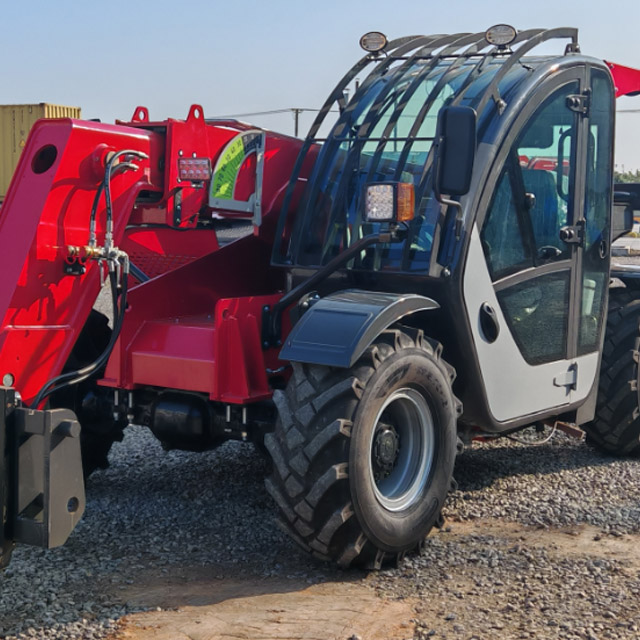
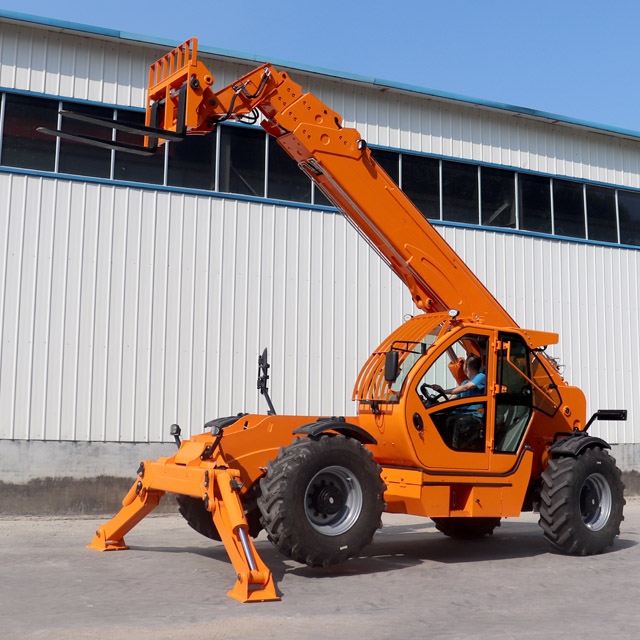
Rough terrain forklifts handle mud, gravel and slopes that standard trucks cannot. Compare 2WD vs 4WD, pneumatic tires and lift capacity before you buy one.
Compare forklift safety features before buying: OPS systems, seat belt interlocks, blue lights and cameras. Learn what protects operators and lowers accident costs.
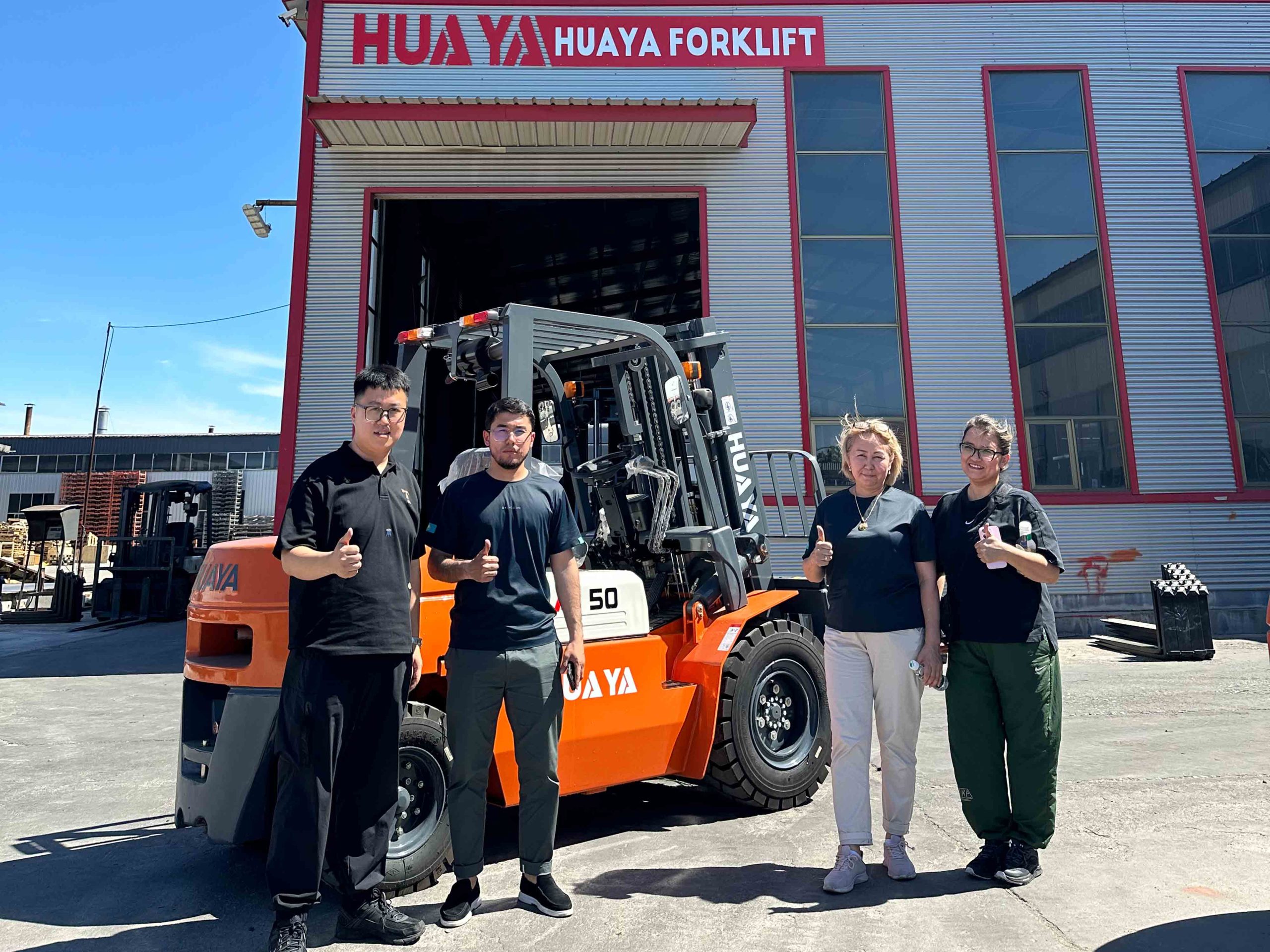
Use this forklift maintenance checklist to cut downtime: daily pre-shift checks, weekly inspections and monthly service for diesel, electric and lithium models.
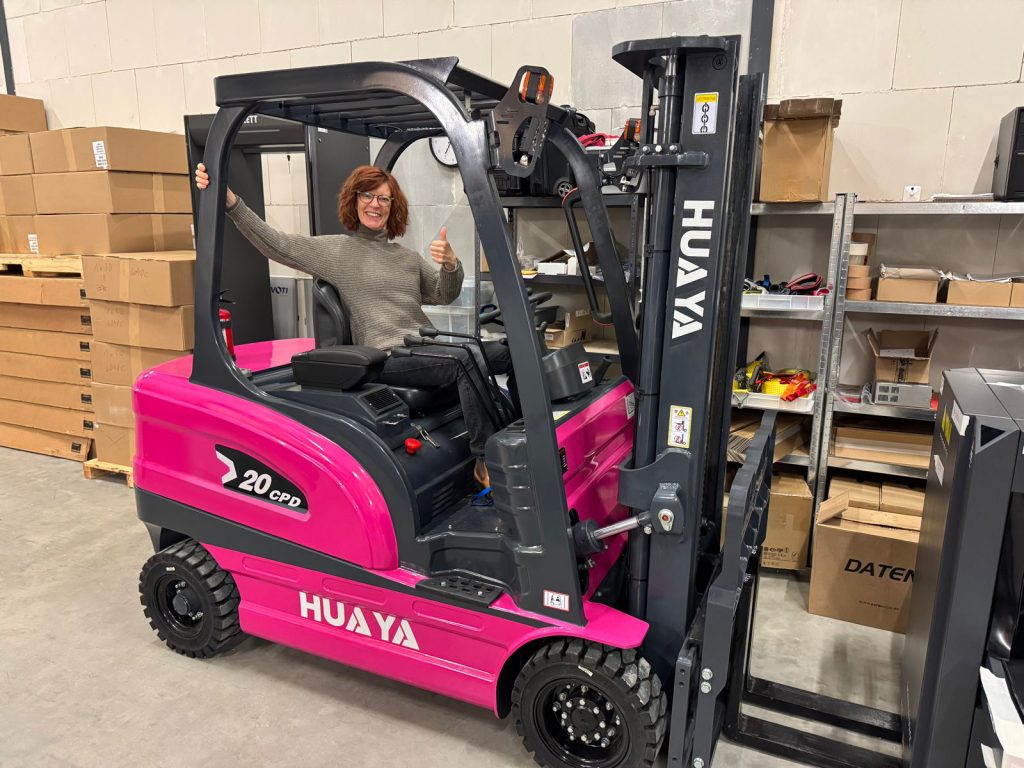
Weigh new vs used forklift costs, risks and warranty value. See when buying new HUAYA equipment beats used bargains over total cost of ownership for your fleet.
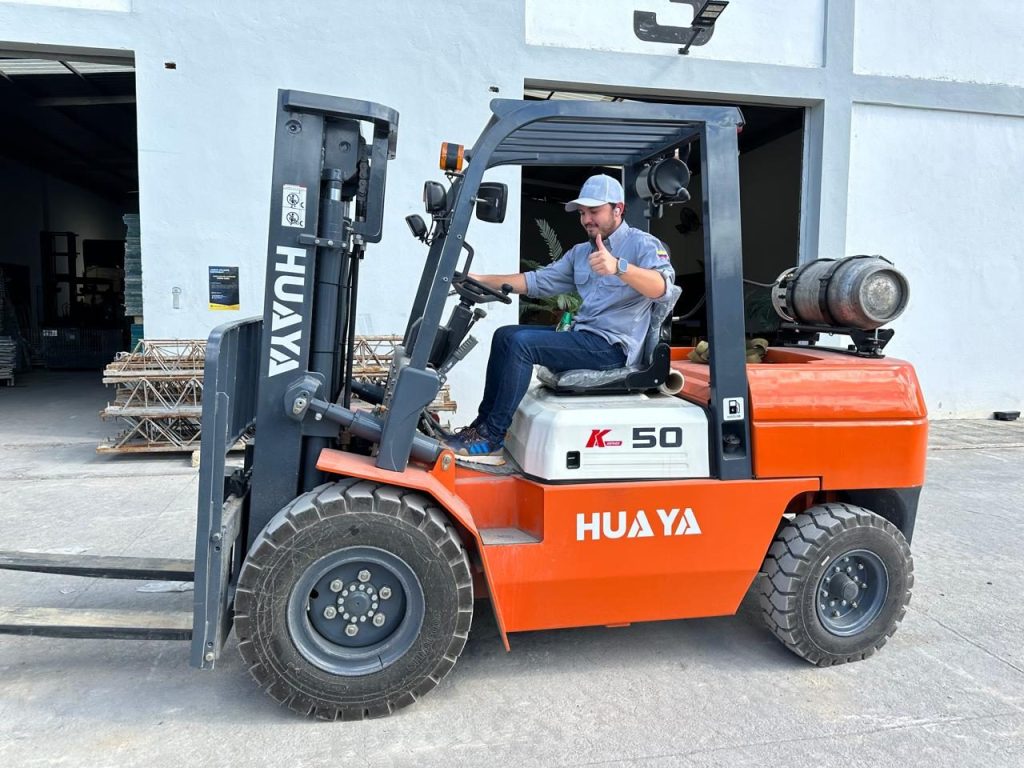
Explore 8 essential forklift attachments and their costs, from side shifters to clamps, plus capacity rules to pick the right HUAYA-compatible attachment.
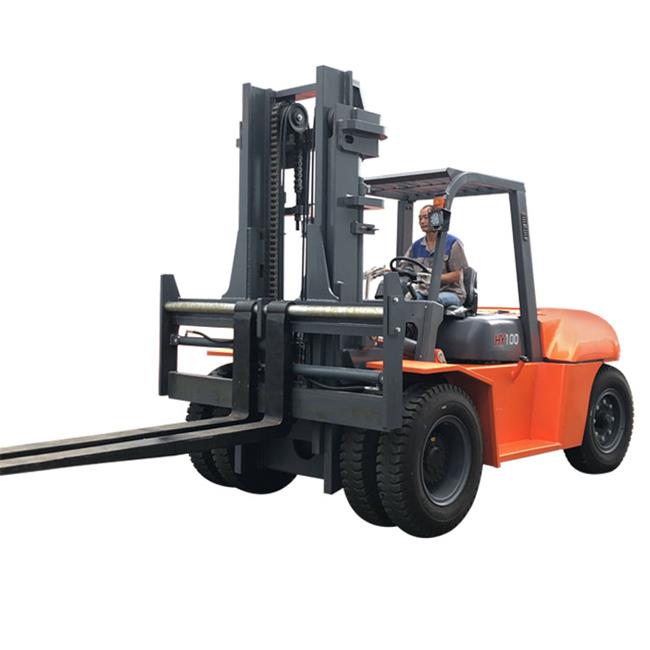
This 7-factor buying guide compares heavy-duty diesel forklift prices, capacity, and compliance to help 5-10 ton buyers pick the right HUAYA machine today.
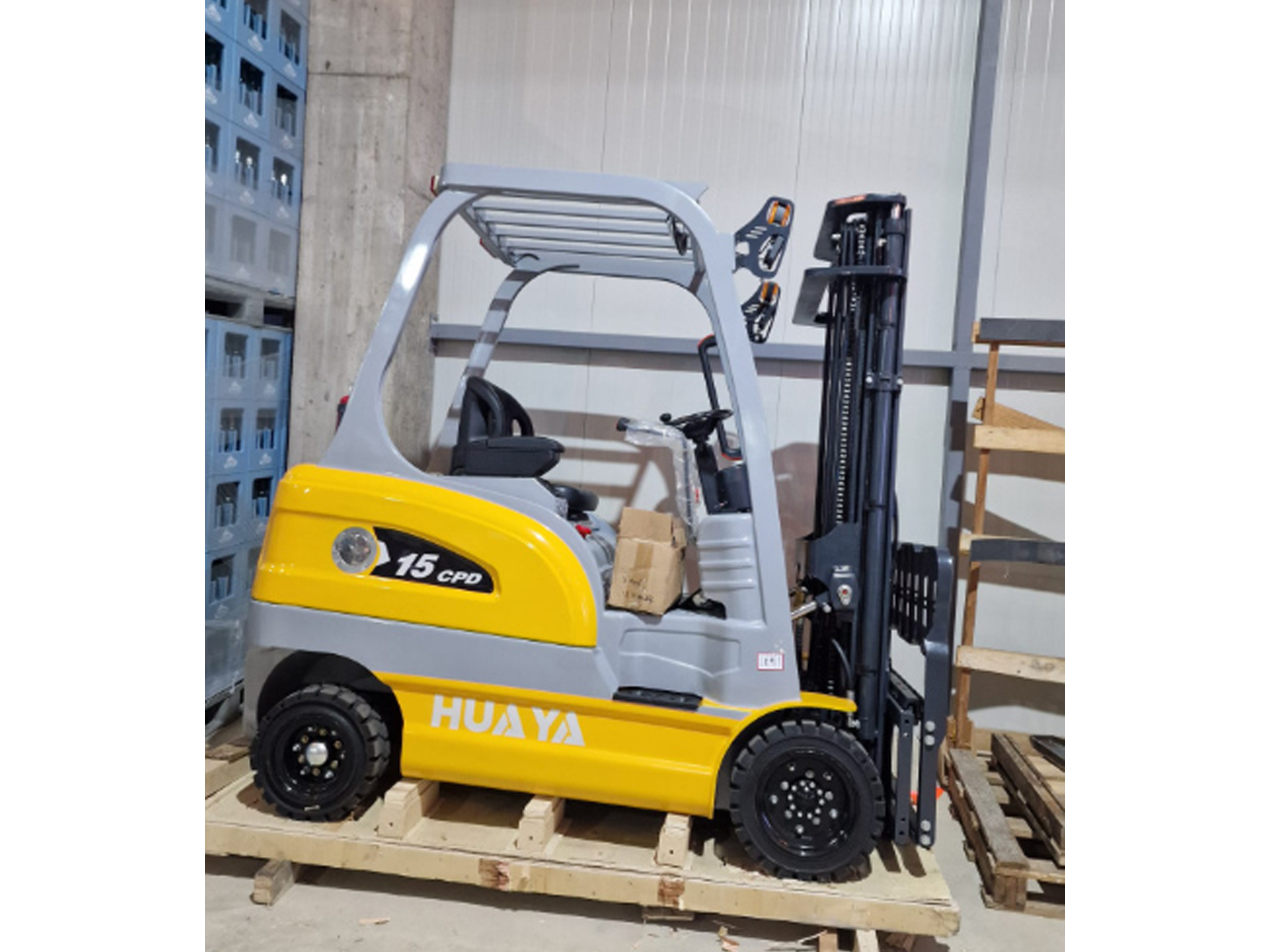
When managing a high-throughput logistics facility, the choice of power source for your forklift fleet is one of the most significant strategic decisions you will make. While lead-acid batteries have been the industry standard for decades, advanced lithium-ion (Li-ion) technology is rapidly redefining the financial landscape of material handling. For[...]
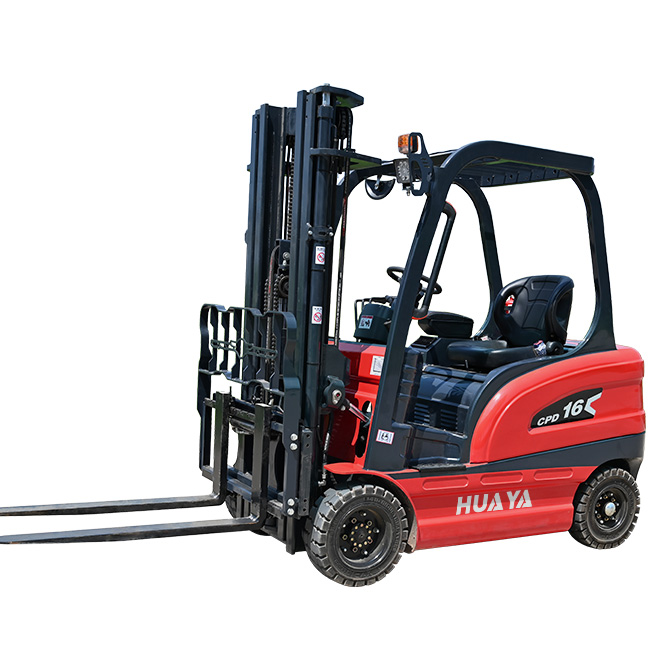
Electric forklifts have become one of the most important pieces of equipment in modern material handling. Warehouses, logistics hubs, factories, and distribution centers are rapidly shifting from diesel and LPG models to electric alternatives because of environmental concerns, energy efficiency, and lower long-term operating costs. But when people start exploring[...]


Hebei Huaya Co., Ltd.
HUAYA was founded in 1996. Since then, HUAYA has been committed to its core value of “Achieve Customers, Carry the Future” and has steadily grown into an experienced machinery manufacturer in China.
Pages
Product
Copyright Notice © Hebei Huaya Co., Ltd. All Rights Reserved.
Xingtai Huaya Machine Tool Manufacturing Co., Ltd.
HUAYA was founded in 1996. Since then, HUAYA is dedicated to its core value of “Achieve customers, Carry the future” and has steadily developed into China’s outstanding machinery manufacturing enterprise.