
How Many Forklifts Do You Need? A Fleet Planning Guide
12 Oct 2026
Working out how many forklifts you need comes down to three steps: quantify the work the fleet must do, calculate the effective capacity of one truck, and add redundancy for peaks and breakdowns. Most fleets are oversized or undersized because one of those steps was estimated rather than calculated, when the answer depends on throughput, truck productivity, and how much downtime the operation can tolerate.
Sizing errors are expensive in both directions. Too many trucks means capital tied up in depreciating assets, plus insurance and maintenance on idle machines; too few means bottlenecks at the dock, overtime to catch up, and emergency rental, which is the most expensive way to buy capacity.
Step one is quantifying demand in the units your operation actually moves. Count pallet or tonne movements per shift, convert them into time per movement including travel and positioning, and compare average demand with peak demand, since a fleet sized for the average fails every busy morning. Note shift patterns and seasonality too, and write the numbers down: a fleet plan built on memory usually reflects the quietest week rather than the busiest.

Step two converts that demand into the effective capacity of a single truck. Multiply cycle time by moves per hour, then adjust for availability of roughly 70 to 85 percent once charging, breaks, and planned maintenance are counted. Public industry references put forklift service life in the region of 10,000 to 12,000 operating hours, depending on duty. Measure cycle time on your own route rather than taking it from a datasheet, because aisle layout, rack height, and load weight all change it.
Step three is redundancy, where peaks and breakdowns are covered. Divide total demand by one truck’s effective capacity for the base number, then add cover for peaks and unplanned downtime; a common planning starting point is one spare for every eight to ten working trucks. For short seasonal peaks, renting beats buying a truck that idles all year, and a fixed-term rental agreement is usually the cleanest way to cover demand that is predictable and brief.
Utilization tells you whether the fleet is sized correctly, and it moves in both directions. It equals productive hours divided by available hours, tracked per truck rather than as a fleet average, because averages hide both idle and overloaded machines. Queues at the dock signal under-capacity; several trucks below half utilization signal over-capacity. There is no universal target figure, but a persistent reading on either side of the planning assumption means the calculation needs revisiting.
Fleet structure matters as much as fleet size, because different tasks suit different trucks. Counterbalance models cover dock and wide-aisle work, while specialist equipment handles narrow-aisle storage, so a mixed fleet moves more pallets per hour than the same number of identical machines. The most common forklift used in a warehouse is the electric counterbalance model, and units such as the 2.5 ton electric forklift CPD25 typically form the core of a warehouse fleet.

Replacement follows three triggers, and the fleet plan should say which applies. The first is hours, once a truck approaches the end of its expected service life. The second is the repair cost ratio: when annual repair spend rises above a set share of replacement value, replacement is cheaper than repair. The third is downtime frequency, since a truck that repeatedly disrupts operations has already stopped earning. Our forklift maintenance checklist sets out the inspection rhythm behind this data. Track all three triggers in one place, so replacements can be scheduled into quiet periods instead of being forced by a breakdown at the worst moment.
As a fleet is renewed, electrification and energy planning belong in the same decision. Electric trucks lower running costs and suit indoor work, but the transition also changes site energy demand, so charging capacity and shift patterns should be planned alongside the purchase. Sizing the supply for the whole fleet at once is cheaper than adding chargers piecemeal.

Multi-unit orders are a significant commitment, and buyers commonly visit the factory before placing them. The account in our article on how HUAYA electric forklifts were recognized by customers from Belarus shows the kind of evaluation that precedes a fleet order. Send three numbers for a fleet recommendation: pallet movements per shift, hours worked per day and week, and the main task types in your operation. Share them with HUAYA and request a fleet configuration proposal matched to your operation.
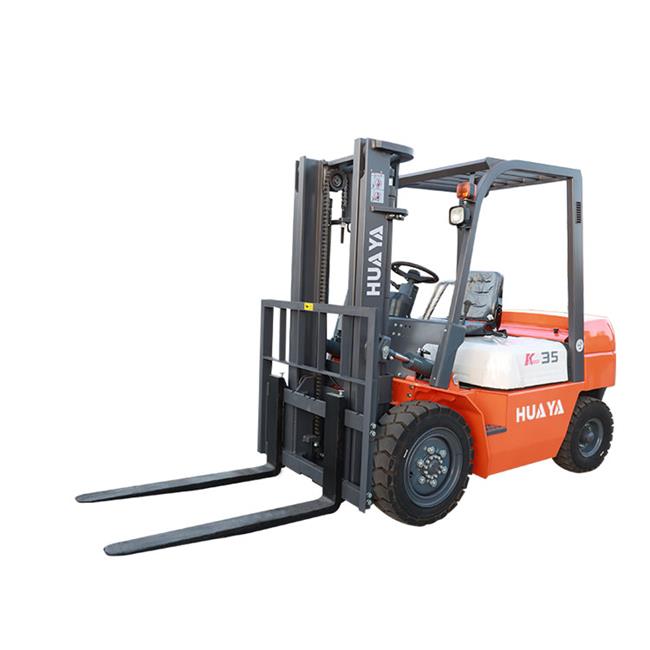

Hot Products
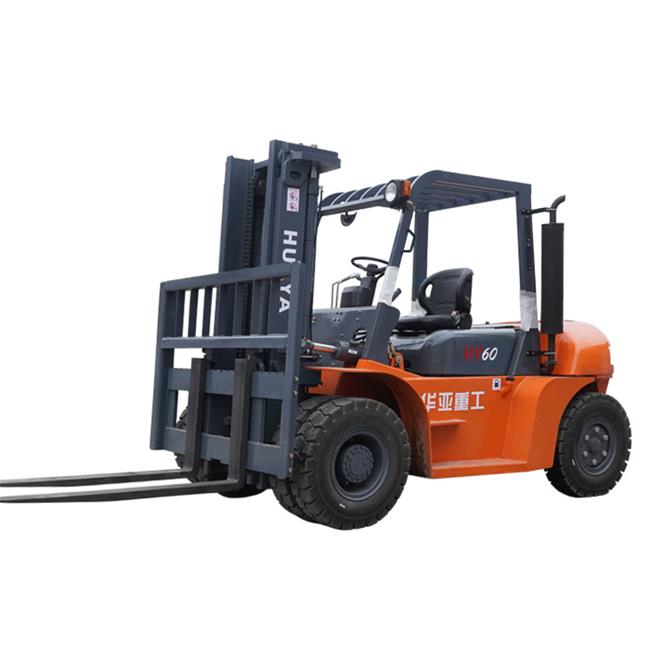
Forklift Spare Parts and After-Sales: A Buyer’s Guide
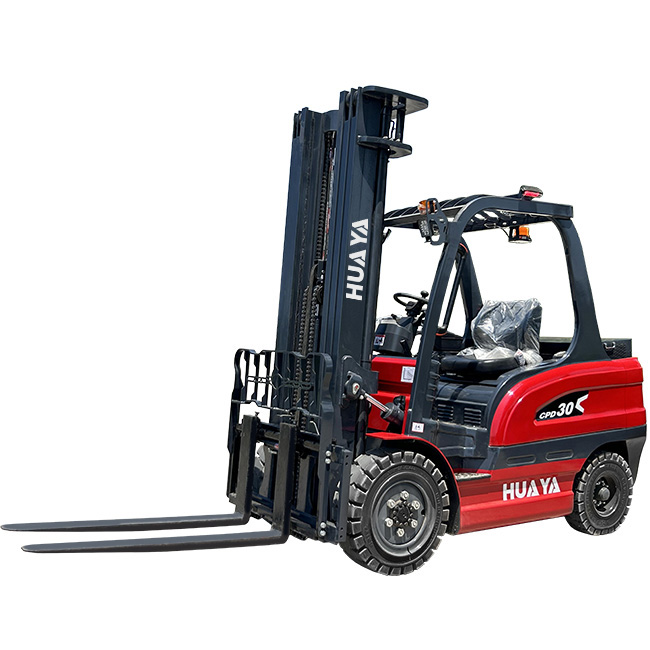
Forklifts for Container Loading: A Complete Guide
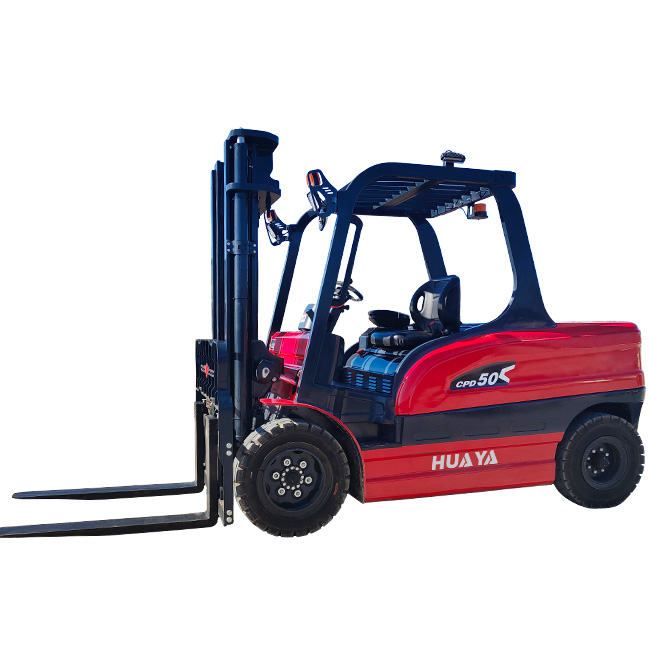
Forklift Charging Infrastructure: A Planning Guide
Forklift Tires Guide: Cushion vs Pneumatic vs Solid


