
Forklift Telematics: What Fleet Data Is Worth Paying For
23 Oct 2026
Forklift telematics is usually bought in the wrong order. The sequence that produces a return starts with the behaviour you want to change, moves to the metric that reveals whether it changed, and only then to the hardware that captures it. Run that in reverse and the same budget buys a dashboard nobody opens after the second month.
Start with what you already know, because that is the baseline any system has to beat. In most fleets the honest answer is a spreadsheet kept by one supervisor, a paper checklist at shift start, and the memory of whoever handles breakdowns. If a new system only reproduces that in colour, nothing changes. The useful question is which decision today gets made on instinct that should be made on evidence.
Six families of data are worth capturing, and each exists to change a specific behaviour.
- Utilisation per truck per shift, which shows whether the fleet is the right size rather than whether everyone looks busy.
- Idle and unloaded travel, which exposes routes and dispatch habits that waste operator hours.
- Impact events, which show where damage originates before it becomes a repair invoice.
- Operating hours and fault codes, which move maintenance from a calendar to a condition.
- Energy and charging behaviour, which reveals deep discharges and battery abuse.
- Zone access and speed, which make site rules enforceable rather than aspirational.
Utilisation is the metric most likely to be misread. A fleet where every truck shows high activity may be a fleet with one truck too many, because the work has spread across machines rather than concentrated where it is needed. Reading it well needs the context of how many trucks you actually require, a demand question answered in our guide to how many forklifts you need. Counting trucks and managing a fleet are different jobs with different datasets.
Hours and maintenance pay back fastest, because the saving appears in the workshop. Fixed-interval servicing is safe but wasteful on lightly used trucks and late on heavily used ones, and the first step to correcting it is knowing what the hour meter says across the fleet, the subject of how many hours is a lot for an electric forklift. The daily, weekly and monthly forklift maintenance checklist still applies. Condition data adds the timing rather than replacing the tasks.
Impact detection decides whether the project survives its first year. Used to identify and discipline individuals, it teaches operators to defeat the sensor, and incidents migrate rather than fall. Used to coach, to redesign a blind corner, or to justify rack-end protection, the same data improves the site. That is a policy decision, taken before installation rather than after the first report.

Energy data is only useful when it is normalised. The approach set out in how to compare fuel economy in electric forklifts is to compare energy per operating hour, shift or route rather than per truck. Charging records then show how often and how deeply batteries are cycled. A single average hides both a machine on short heavy cycles and one on long light runs.
Some data is not worth paying for, and recognising it early saves the budget. Metrics with no decision attached are decoration however precise, fields that only work after manual entry usually stay empty, and reports that never reach a standing meeting are read once. A short list someone acts on weekly beats a full dashboard nobody owns, and cutting that list is the hardest part of the project.
Factory-fitted or retrofitted changes four practical things. Wiring integrated at build avoids the splicing that can complicate a warranty claim later. Data ownership and access belong in writing, because a system holding your history behind a subscription keeps you as a customer for as long as you need the record. Subscription cost compounds across a fleet and across years, so compare the total over the service life rather than the entry price. And a factory solution tends to preserve more resale value than third-party hardware that may not transfer.

Three questions decide whether any of this lands. Who looks at the report, by name or role? How often do they look? And what changes when a number moves outside its band? If the third answer is unclear, the first two do not matter. A ninety-day minimum version on one shift or one area is usually enough to prove value before committing the fleet.
Describe the behaviour you want to change, and HUAYA can help clarify which data points matter and how they would be captured on your trucks. Send your fleet size and current bottleneck through our contact page. Where data touches individual operators, confirm the position under local labour and data protection rules, which is a general principle rather than legal advice.


Hot Products

New Forklift Delivery: An Acceptance Checklist
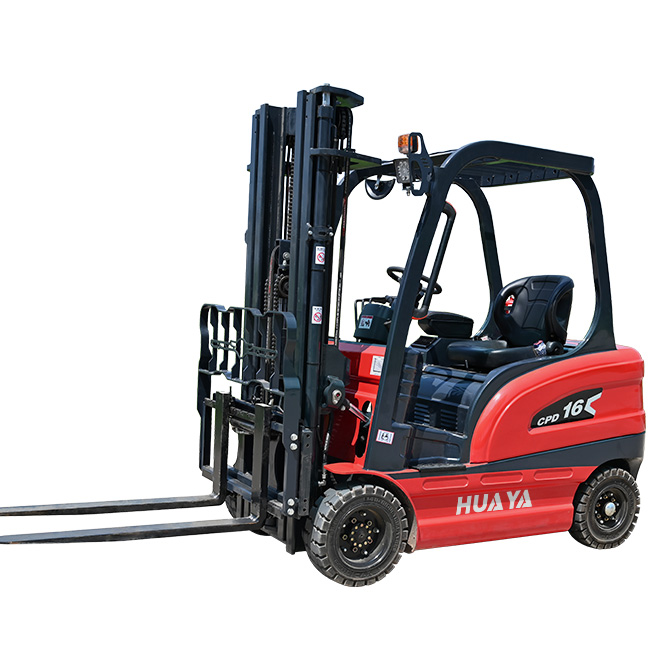
Washdown Forklifts: A Guide for Food and Beverage Plants

How Many Forklifts Do You Need? A Fleet Planning Guide
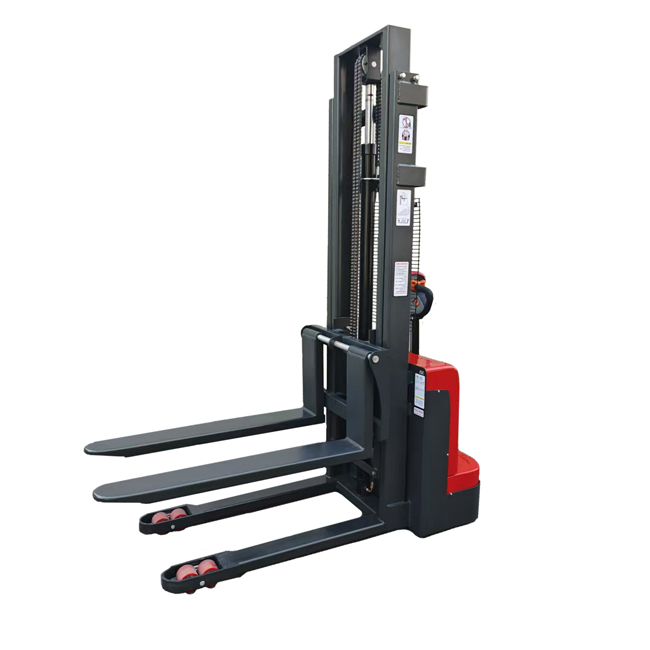
Warehouse Aisle Width and Layout: A Forklift Guide


